Thermodynamics and Energy diagrams
Thermodynamics and Energy diagrams
4 Chemistry terms
- Energy Diagrams
- In diagrams, we study the variation of energy when the reaction is in progress. • Initial state = the energetic value of reactants. • Transition or intermediate state (if more complex reactions) = collisions. • Final state = the energetic value of products. Activation energy is the minimum amount of energy needed to activate a reaction or start intermolecular collisions. Obtain with : transition state value - initial state value Less is activation energy, faster is the reaction as molecules have to pass a smaller energetic barrier to begin doing efficience collisions between them. For endothermic reactions, the curve follows an up-going trend and for exothermic reactions, a down-going trend.

- Enthalpy - ΔH (according to ThoughtCo. https://www.thoughtco.com/definition-of-enthalpy-605091)
- it is the change of heat under a constant pressure.
Depending on its sign of ΔH, the reaction is whether endothermic or exothermic.
- endo when reactants have less energy than products (energy acquired by the system)
- exo when reactants have more energy than products (energy liberated into the environment)
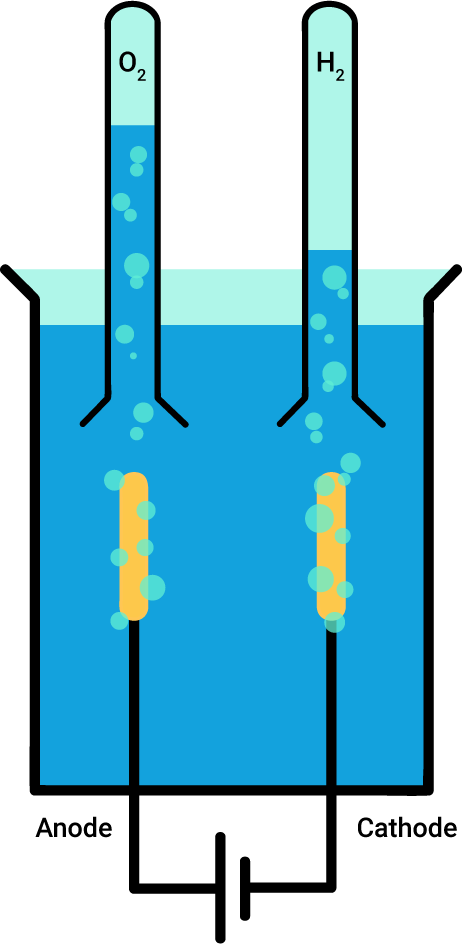
- Example: When ΔH is positive, the reaction is endothermic. Example : Water decomposed in hydrogen and oxygen
When ΔH is negative, the reaction is exothermic. Example : Combustion of gasoline (hydrocarbon)
- Entropy - ΔS
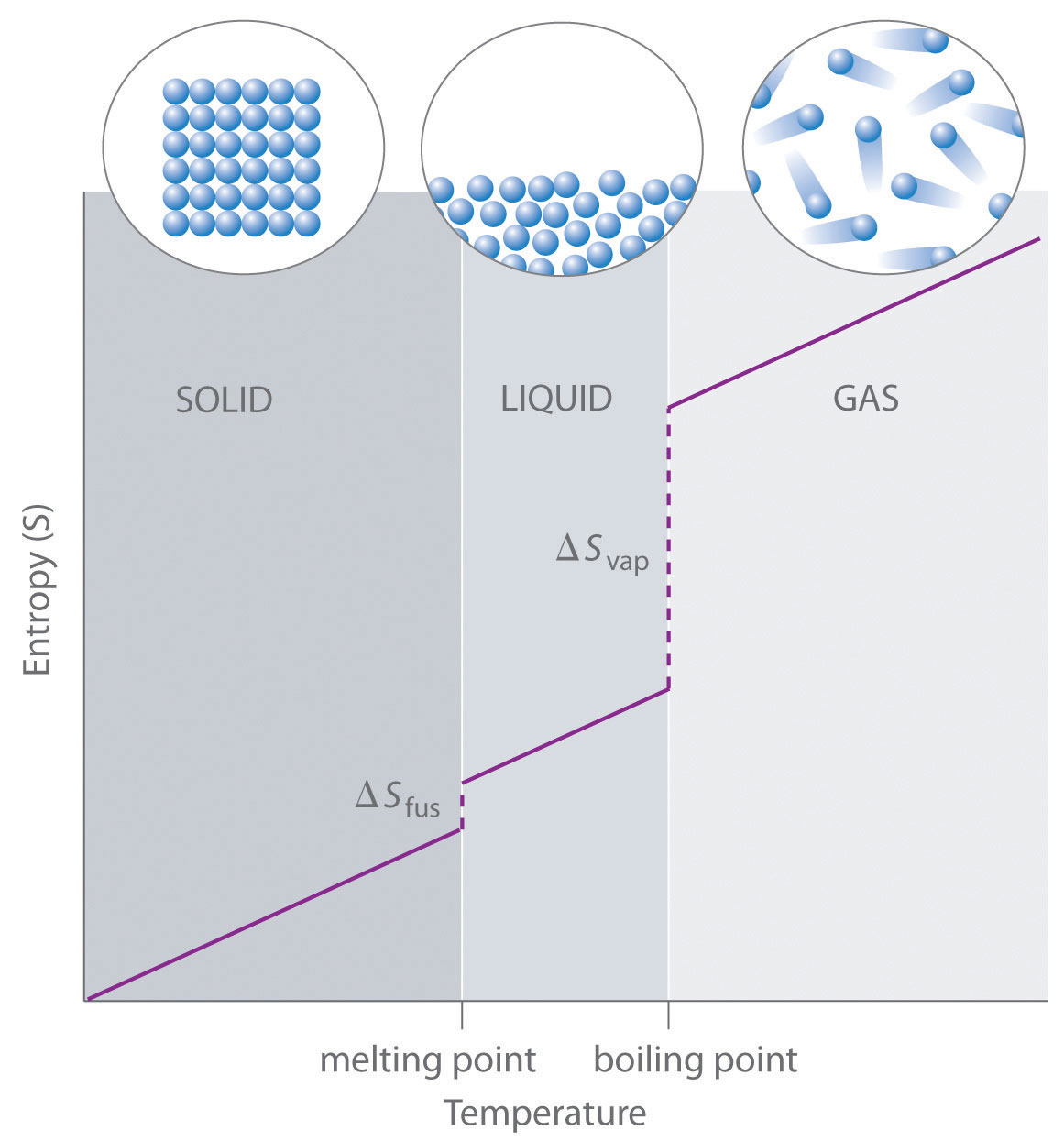
- It is the measure of chaos or disorder among molecules.
- Example: In the decomposition of one molecule into two other molecules or the change of state from solid to liquid to gas. ΔS is positive.
- Gibbs Free Energy - ΔG (according to Robner Research Web)
- It is a value that predicts if a reaction is spontaneous or not (depending on main factors ΔH and ΔS)
If ΔG is positive, the reaction is non spontaneous which means that the reaction needs some energy of activation that will force the start of collisions between molecules. This additional energy may be gained by heating.
If ΔG is negative, the reaction is spontaneous which means that the reaction may starts by itself.
If ΔG is 0, none reaction.
Favorable (s) Unfavorable (ns)
ΔH < 0 ΔH > 0
ΔS > 0 ΔS < 0
